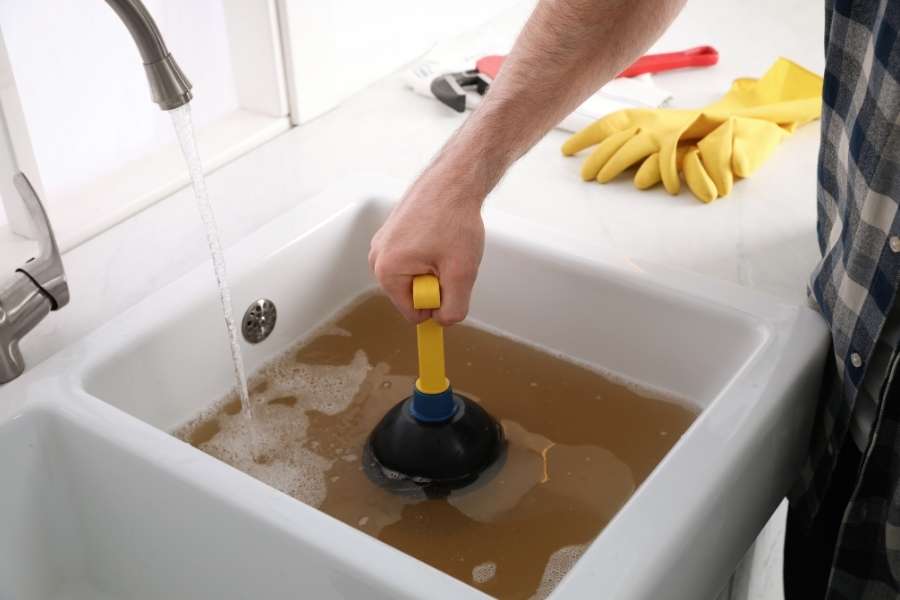
Standing over a sink full of dirty standing water is frustrating. Water stays still instead of swirling away. You do not need an expensive plumber for this simple household hassle. Basic tools can fix the problem fast. Learning DIY methods to fix slow draining pipes saves money immediately. You take back control of your home plumbing today.
Understanding Why Sinks Block Up
Water stops flowing when unwanted waste builds up inside your pipes over time. Grease, food bits, soap scum, and loose hair stick to inner pipe walls daily. This sticky residue slowly narrows the path for flowing water. Recognizing early warning signs helps you stop major blockages early. Understanding your residential plumbing basics keeps your home drainage system operating smoothly for years.
Common Culprits in the Kitchen and Bathroom
Kitchen drains usually trap heavy cooking oils and food scraps. Bathroom basins battle thick mixtures of hair and hardened soap scum. Knowing the exact room source helps you choose the best clearing technique quickly.
Physical Blockages Versus Pipe Damage
Not all drainage issues come from trapped debris in the line. Old metal lines sag, build up minerals, or suffer structural wear. Identify your plumbing material before using heavy force or high heat. Persistent leaks or damp odors under vanities point to real structural damage.
Simple Household Methods to Unclog a Sink
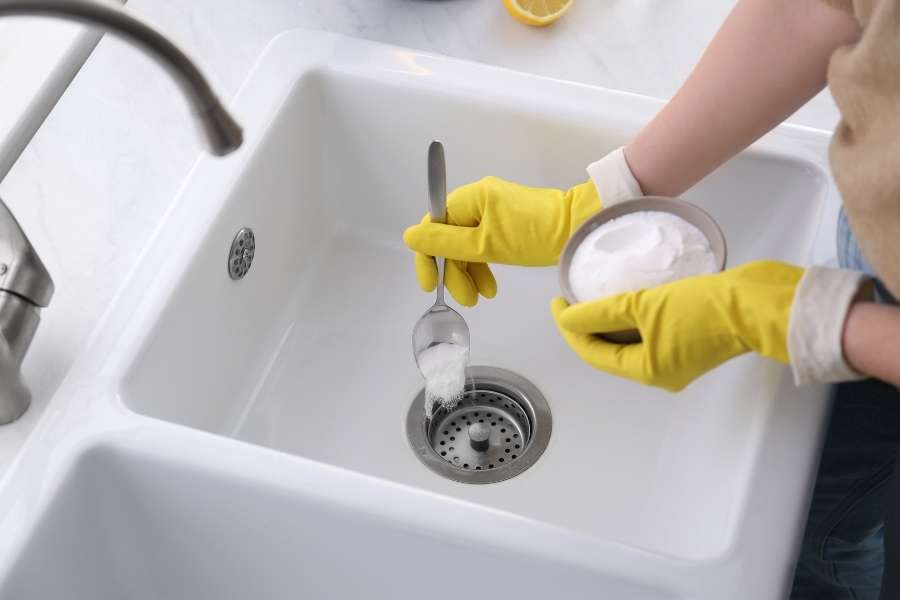
You never need dangerous liquids to clear a stubborn drain blockage. Most organic material breaks apart under simple physical pressure or heat. Natural clearing methods protect your infrastructure while clearing the way. Reviewing a handy home plumbing guide helps you manage these everyday tasks with ease.
The Power of Boiling Water and Baking Soda
Boiling water melts thick grease trapped inside a kitchen sink. Pour hot water straight into the drain to flush soft oils away. Combine baking soda and vinegar to create a strong natural fizzing action. This safe chemical reaction scrubs sticky organic residue off pipe walls.
Pro Tip: Never use boiling water on plastic PVC pipes. Hot water weakens plastic joints and creates leaks under your counter.
Mastering the Plunger Technique
A standard cup plunger clears stubborn blockages without adding chemicals. Fill the basin with water to submerge the rubber plunger cup completely. Block the overflow hole tight using a wet rag or towel. Place the cup firmly over the drain to create a sealed vacuum. Push up and down with firm rhythm to force hydraulic pressure through. This moving force shifts the blockage back and forth until it snaps.
Mechanical Solutions for Stubborn Blockages
Try physical clearing tools when boiling water and plunging fail. Flexible steel tools reach deep inside your drainage lines safely. They grab, break up, and pull out tough blockages directly.
Using a Drain Snake like a Professional
A manual drain snake bends easily through tight elbow pipes. Push the metal cable down into the dark drain opening slowly. Twist the outer handle when you hit a solid barrier inside. The coiled tip grabs the mass so you can pull it out.
- Feed the long flexible cable inward without pushing too hard.
- Crank the handle clockwise to catch the trapped mass tightly.
- Pull the tool out slowly and toss the dirty waste away.
Removing and Cleaning the U-Bend Pipe
The obstruction often rests inside the lower curved pipe assembly. Removing the U-bend pipe gives direct access to the main blockage. Set a plastic bucket underneath the vanity to catch dirty standing water. Unscrew the plastic slip nuts by hand or with smooth pliers. Detach the curved pipe section and scrub the interior clean.
When to Consider Chemical Options
Chemical drain products should remain a rare choice for homeowners. A harsh chemical cleaner dissolves dense waste but risks long-term damage. Frequent use of harsh chemicals ruins inner pipe surfaces over time.
The Risks of Commercial Cleaners
Store-bought liquid cleaners rely on harsh caustic agents to cut grease. These intense liquids create high heat inside thin drain lines. Excessive heat melts plastic joints and speeds up pipe corrosion. Always wear thick gloves and open windows when handling strong chemicals.
Safer Chemical Alternatives
Enzyme cleaners offer a safe substitute for aggressive caustic drain liquids. Natural bacteria in enzyme products digest organic waste over several hours. These biological liquids never damage pipe walls or leak harmful chemicals.
Preventive Habits for Long-Term Plumbing Health
Clearing a blocked pipe feels great, but prevention stops future headaches. Consistent preventive maintenance keeps your drainage lines open permanently. Small daily habits keep waste moving smoothly without unexpected back-ups.
Easy Daily and Weekly Habits
Never dump hot liquid grease or coffee grounds into your sink. Install fine mesh strainers over drain holes to trap loose hair. Flush your drains weekly with clean hot water to wash away buildup.
Recognizing Early Warning Signs
Are you asking yourself why is my sink draining so slowly? Slow draining water and gurgling noises signal an early growing blockage. Clear these small warning signs now before complete stoppages happen.
FAQ
How to clear a clogged kitchen sink naturally?
Pour baking soda into the drain followed by white vinegar. Wait fifteen minutes and flush hot water down the line.
What is the best way to remove hair from bathroom drain?
Use a barbed plastic hair tool to hook hair mass directly. You can also remove the stopper to clean it manually.
Can baking soda and vinegar damage my pipes?
No, baking soda and vinegar create a gentle chemical reaction. This natural mix is safe for all pipe materials.