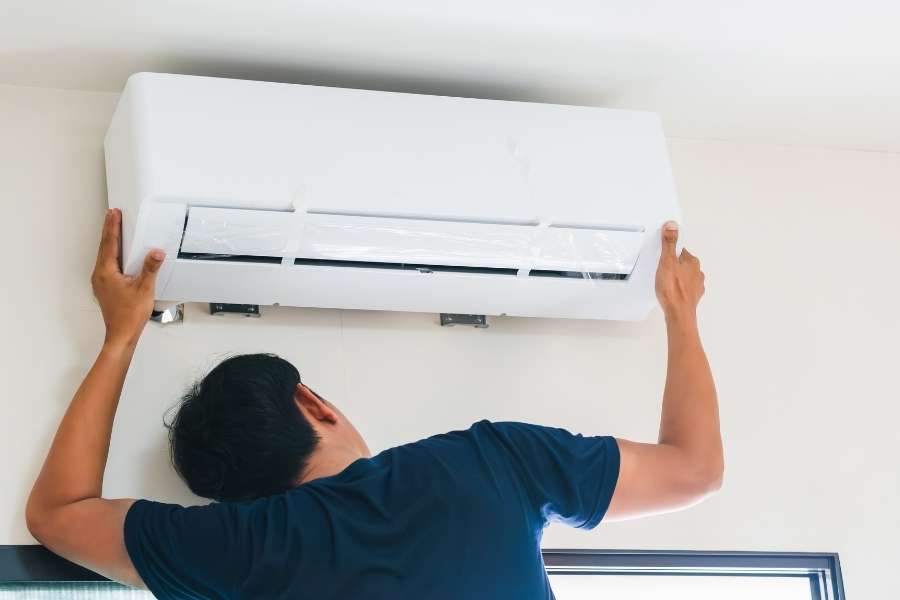
When your air conditioner starts struggling on a hot day, the first question is often whether to repair it, install a new system, or replace the existing unit. Knowing when AC installation or replacement makes more sense can help you avoid unnecessary expenses while keeping your home comfortable and efficient.
The right decision depends on the system’s age, condition, repair history, efficiency, and how well it matches your home’s cooling needs. A professional evaluation can help you compare the cost of keeping an aging unit running with the long-term benefits of upgrading.
AC Installation or Replacement: What Is the Difference?
Although the terms are often used together, installation and replacement describe different situations.
AC installation generally means putting a new air-conditioning system into a home that does not already have the appropriate equipment. This may happen during new construction, a home addition, or when a homeowner is switching to a different type of cooling system.
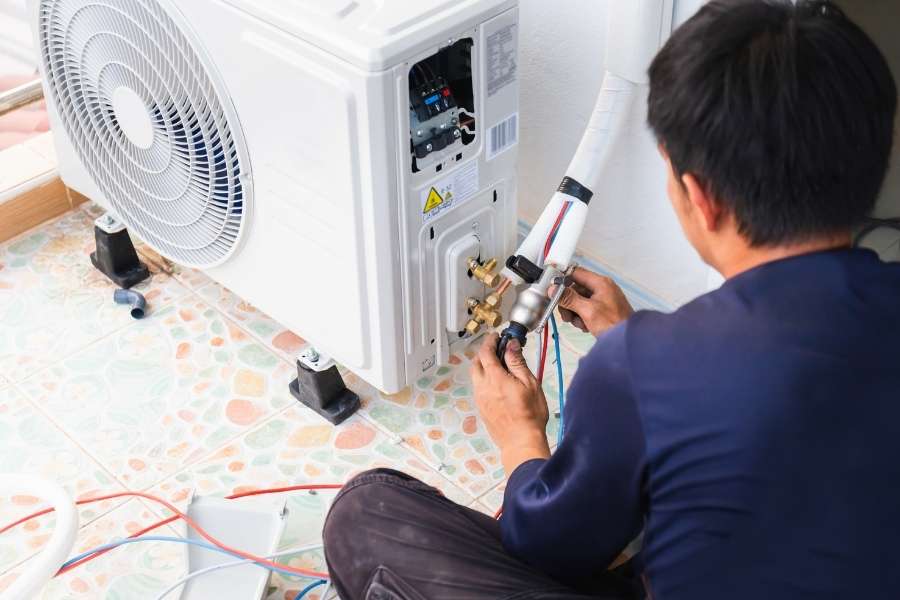
AC replacement, on the other hand, involves removing an existing system and installing new equipment. The ductwork may remain in place if it is suitable, although it should be evaluated to make sure it can support the new system properly.
In either case, correct sizing and professional installation matter. The Department of Energy notes that issues such as oversized equipment, improper refrigerant charging, and leaky ducts can reduce efficiency and comfort.
For homeowners considering a new system, air conditioning installation and replacement can include evaluating cooling requirements, selecting appropriate equipment, and addressing ductwork concerns.
When Should You Replace Your AC?
Age alone should not determine whether you replace an air conditioner, but it is an important factor. The EPA advises homeowners with equipment that is more than 10 years old or no longer keeping the home comfortable to have it professionally evaluated.
Replacement becomes more compelling when several warning signs appear at the same time, including:
- Frequent or increasingly expensive repairs
- Uneven temperatures between rooms
- Rising electricity use without a clear change in usage
- Weak or inconsistent airflow
- Excessive operating noise
- An aging system that struggles during periods of high demand
- Refrigerant-related problems or recurring leaks
- A system that no longer provides reliable comfort
A single repair does not automatically mean you need a new unit. A relatively young system with a straightforward, isolated problem may be worth repairing. The bigger question is whether continued repairs make financial and practical sense compared with investing in newer equipment, especially when keeping your home safe and functional involves routine maintenance like proper chimney sweeping in Dallas.
When AC Repair May Still Be the Better Choice
Replacement is not always the answer. If your system is reasonably young, has been well maintained, and the problem is minor, repairing it may provide several more years of useful service.
For example, replacing a failed electrical component or correcting an airflow issue may be far more sensible than replacing an otherwise healthy system. A qualified technician should diagnose the underlying problem rather than recommending replacement based solely on the age of the equipment.
It is also worth checking whether the system is still under a manufacturer or installation warranty. Warranty coverage can significantly change the financial comparison between repair and replacement.
What to Consider Before Choosing a New AC System
If replacement is the better option, avoid choosing equipment based solely on the purchase price. The system needs to suit both your home and the way you use it.
1. Proper sizing
Bigger is not automatically better. An oversized air conditioner can cycle on and off too frequently, which can waste energy and interfere with effective humidity control. Proper load calculations help determine the capacity your home actually needs.
2. Efficiency
Look beyond the initial price and compare efficiency ratings. SEER2 measures seasonal cooling efficiency, while EER2 reflects efficiency under specific operating conditions.
A more efficient system may have a higher upfront cost but can reduce energy consumption over its operating life. Your local climate, cooling habits, electricity rates, and expected length of ownership all affect whether the additional investment makes sense.
3. Ductwork and airflow
Installing a high-efficiency unit will not solve every comfort problem if the duct system is leaking, poorly designed, restricted, or improperly sized. Ask the contractor to inspect the complete cooling system rather than treating the outdoor unit as an isolated component.
4. Refrigerant requirements
Refrigerant regulations have also changed. Under the EPA’s current HFC phasedown rules, new residential split-system air conditioners installed after January 1, 2026, must use refrigerants with a global warming potential below the applicable limit of 700.
That makes it especially important to discuss the refrigerant used by proposed replacement equipment and make sure the system meets current requirements.
Common Mistakes Homeowners Make
One of the biggest mistakes is waiting until an old system fails completely before considering replacement. An emergency breakdown can leave you making a major equipment decision under pressure.
Another mistake is focusing exclusively on the equipment price. Installation quality, system sizing, ductwork condition, efficiency, warranty coverage, and long-term operating costs all influence the overall value.
Finally, do not assume that the newest or most expensive model is automatically the right choice. The best system is one that is correctly sized, properly installed, compatible with the home, and appropriate for your budget and comfort priorities.
How to Make the Decision With Confidence
Start by having the existing system professionally assessed. Ask for a clear explanation of what is failing, what repairs would cost, and how the system is performing overall.
Then compare the repair option with a properly specified replacement. A useful evaluation should consider:
- The current system’s age and condition.
- Recent and expected repair costs.
- Current energy efficiency and comfort.
- Your home’s cooling requirements.
- The proposed replacement’s efficiency and capacity.
- Installation, ductwork, warranty, and maintenance considerations.
- The expected length of time you plan to remain in the home.
This approach keeps the decision grounded in the condition of your home rather than in a single number or sales pitch.
Conclusion
Choosing between AC installation or replacement should be based on more than the immediate cost of getting your home cool again. The condition and age of your current system, frequency of repairs, energy consumption, indoor comfort, equipment efficiency, ductwork, and future maintenance requirements all deserve consideration. If an existing air conditioner is relatively new and has a manageable problem, a professional repair may be enough to restore dependable performance.
However, an older system that requires repeated repairs, struggles to maintain comfortable temperatures, or operates inefficiently may be a strong candidate for replacement. When investing in a new air conditioning system, proper sizing and professional installation are essential for achieving reliable cooling and efficient operation. Taking time to compare your options before an emergency occurs can help you choose an AC solution that delivers lasting comfort, dependable performance, and better value for your home.